
One step closer to ending cages
Last week's announcement by the European Commission to phase out cages for laying hens and sow crates is an important milestone for animal welfare in Europe. Congratulations to Compassion in World Farming, Eurogroup for Animals, the End the Cage Age coalition and everyone else who has worked so hard to make this happen.
After nearly four decades of carrying out undercover investigations, there's one thing I've learnt.
People often judge an investigation by what happens in the days after it's released. Did it make the headlines? Did it spark public outrage? Did a company respond? Those things are important, but they rarely tell the whole story. Real change usually takes much longer.
One investigation rarely changes a law or a policy on its own. But over time, investigations build an evidence base that campaigners, journalists, lawyers and policymakers can use. One investigation becomes another, then another, until the evidence is too strong to ignore.
Over the past 20 years, Tracks Investigations has carried out hundreds of investigations into caged hens, pig farms and factory farming across Europe, supporting 41 animal protection organisations. Around two-thirds of our work has focused on farmed animals.
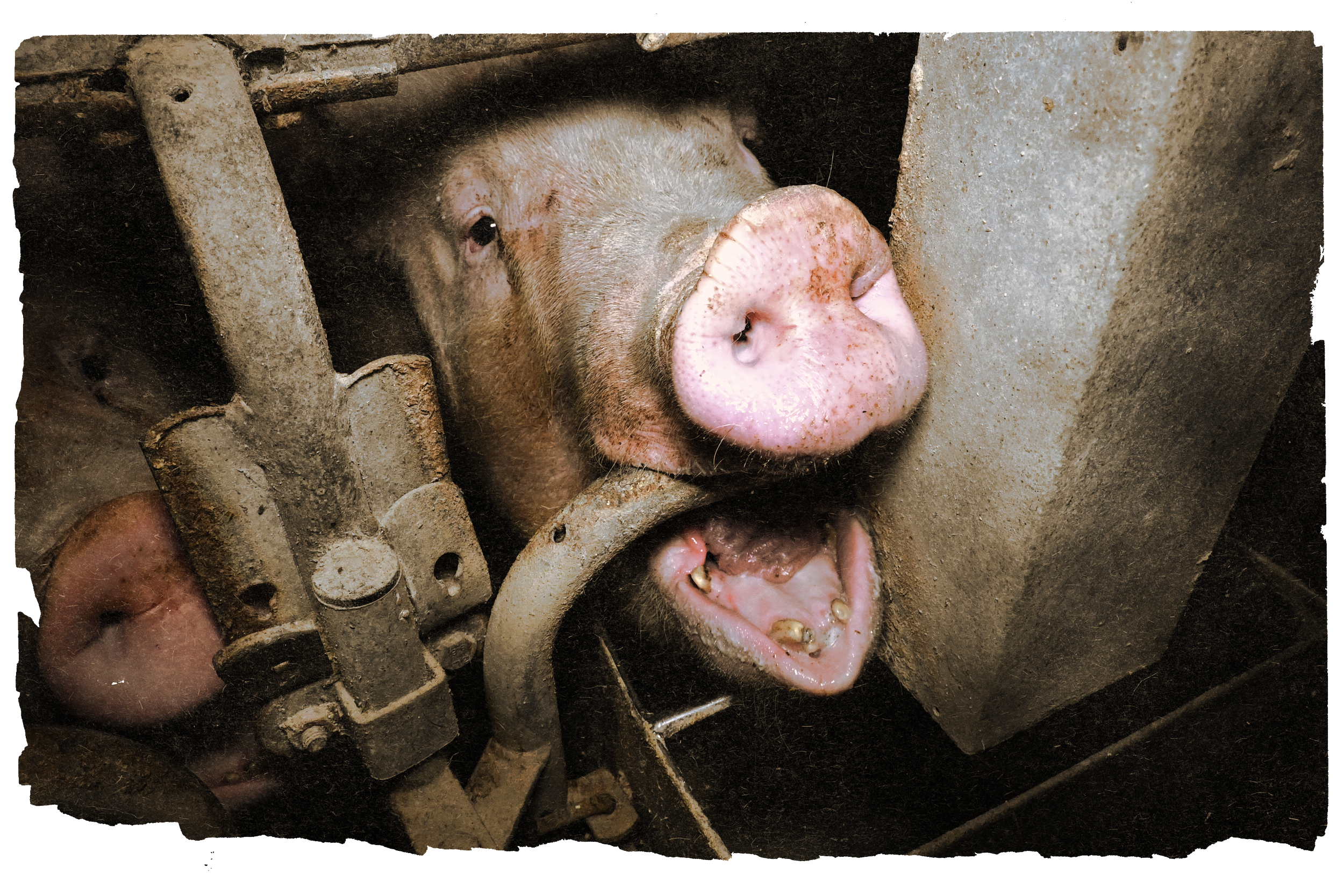
Tracks is only one part of that story. Campaigners, researchers, lawyers, scientists and millions of supporters have all helped push this issue forward. But campaigns are always stronger when they're backed by solid evidence.
When I carried out my first farm investigations in the 1980s, I had no idea where that work would eventually lead. Looking back now, it's clear that the real impact wasn't just the media coverage at the time. It was becoming part of a much bigger body of evidence that helped shift public opinion, influence companies and, eventually, contribute to political change.
The European Commission's announcement didn't happen because of one investigation or one organisation. It is the result of decades of work by many people, each adding another piece to the puzzle.
There's still a long way to go. Millions of rabbits, calves and other animals remain confined in cages across Europe.
But last week's announcement shows that progress is possible, even when it takes years to get there.